Day 3: Castro Urdiales to Laredo
Tuesday & Wednesday May 19 & 20

Another long day awaited us—approximately 19 miles from Castro Urdiales to Laredo. Fortunately, we all knew that the following day would be a rest day, which seemed to put a little extra energy in everyone’s step. It is amazing how much easier a difficult walk feels when you know a day off is waiting at the end of it.

The route took us through beautiful countryside and along stretches of the rugged Cantabrian coast. Unlike previous days, there were not many towns along the way where we could stop for a meal. By lunchtime, we were all ready for a break, so we found a grocery store and purchased a few supplies for a picnic lunch.
It turned out to be one of the most enjoyable meals of the trip. We found a shady spot beneath a grove of trees beside a fast-moving creek. Sitting there with our sandwiches, fruit, and cold drinks, listening to the rushing water and resting our tired feet, felt like a luxury. Sometimes the simplest meals become the most memorable.
The day grew increasingly hot as the afternoon wore on. The sun was relentless, and the miles seemed longer because of it. Several members of our group decided to take an alternate route that was both shorter and less strenuous. By the third day, everyone was beginning to understand their own limits and learning that there is no shame in choosing the option that allows you to continue enjoying the journey.

As the afternoon stretched on, the anticipation of reaching Laredo kept us moving. When the city finally came into view, it was a welcome sight. Situated along a beautiful bay with a long sandy beach, Laredo felt like a reward after three demanding days of walking.

We were especially pleased with our accommodations. The hotel was beautiful, and the staff could not have been more friendly or welcoming. After the frustrations of the previous night’s hotel, the warm reception was greatly appreciated.
Esther and I were among the first members of our group to arrive. We quickly checked in, enjoyed long showers, and then headed out to explore the town and find something to eat. Before long, we found a pleasant restaurant and settled in for dinner.
As we sat at our table, we began spotting familiar faces from our group making their way into town. One by one they arrived, and many joined us for dinner. It was fun to watch everyone’s arrival and hear stories from the day’s walk. Some had taken different routes, others had discovered hidden cafés or scenic overlooks, but everyone had their own adventure to share.

I did not fully appreciate how much I needed a rest day until the next morning. After three consecutive days of long-distance walking, my legs were tired, my feet were sore, and I was more exhausted than I realized.

Breakfast the next morning was served in the hotel’s grassy courtyard, where small tables were scattered beneath the open sky. It was a peaceful setting and a wonderful way to begin a day with no miles to walk.
One of our first missions was to find a laundromat. By then, our hiking clothes had accumulated several days’ worth of sweat, dust, and trail odors. Clean clothes had become one of life’s greatest luxuries. After getting our laundry washed and dried, the remainder of the day was delightfully uneventful.
We spent our time wandering through the city, enjoying leisurely meals, browsing shops, and taking more than a few naps. The slower pace gave our bodies a chance to recover and our minds a chance to absorb everything we had experienced so far. It was exactly the break we needed before setting out on the next stage of the Camino.
Day 5: Laredo to Güemes
After our much-needed rest day in Laredo, it was time to get moving again. Day 5 would be another long one—approximately 17 miles—and the weather forecast called for plenty of sunshine and heat.

Fortunately, our morning began at a relaxed pace. Unlike previous days, there was no need for an early start because the first part of our journey required a ferry crossing. We had only about a 1.5-kilometer walk from our hotel to the ferry terminal, and the ferry did not begin operating until 9:00 a.m. After several mornings of rushing to get on the trail, it felt wonderful to enjoy a leisurely breakfast and take our time getting ready.
When we arrived at the ferry landing, we found dozens of other Camino pilgrims already waiting. It was fun to see so many walkers from different countries gathered in one place, all heading toward the same destination. Backpacks lined the dock, walking poles leaned against benches, and conversations in several languages filled the air. We were fortunate to make it onto the first crossing, and before long we were gliding across the water toward Santoña.

Once on the other side, we resumed our journey through some of the most beautiful scenery we had encountered so far. The route alternated between peaceful countryside and dramatic stretches of coastline overlooking the Bay of Biscay. The ocean views were spectacular, with waves crashing against rocky cliffs and green hills rolling down toward the water.
Of course, the beauty came with a price. Several sections of the trail involved steep climbs and descents, particularly along the coast. The combination of heat, elevation, and accumulated fatigue from previous days made the walking more challenging than the mileage alone would suggest. By this point in the Camino, everyone had settled into their own rhythm and knew their physical limits. As on previous days, several members of our group chose alternate routes that were shorter and less demanding.

One of the things I appreciated most about the Camino was that there was never just one way to complete the journey. Each person could tailor the experience to their own abilities and goals. Whether you walked every mile of the official route or chose an easier option from time to time, everyone shared the same sense of accomplishment at the end of the day.
After many hours on the trail, we finally arrived in Güemes, a tiny rural village surrounded by green fields and rolling countryside. Compared to the larger towns and cities we had visited earlier in the week, Güemes felt quiet and peaceful. It was the kind of place where life seemed to move at a slower pace.

Our accommodations were excellent and provided a welcome opportunity to rest and recover. One unexpected advantage of staying in such a small town was that there was a restaurant large enough to accommodate our entire group of 14. Throughout the trip, coordinating meals for so many people had often been a challenge. This evening, however, we were all able to sit together at one table and enjoy dinner as a group.

The meal was filled with laughter, stories from the trail, and plenty of discussion about sore feet, aching muscles, and the adventures of the day. By now, the group had developed a comfortable camaraderie. We had spent hours walking together, encouraging one another through difficult stretches, and sharing both the challenges and rewards of the Camino.
As the evening came to a close, it was hard to believe that we were nearing the end of our journey. We were tired, sunburned, and more than a little sore, but we were also beginning to realize how special this experience had been. The miles, the conversations, the beautiful landscapes, and even the challenges were becoming memories that would stay with us long after we returned home.
Day 6: Güemes to Santander
Friday, May 22

Our final day on the Camino del Norte had arrived. The route from Güemes to Santander was approximately 15 miles, a distance that felt manageable compared to some of the longer days earlier in the week. There was a sense of excitement in the air as we set out that morning. While everyone was looking forward to reaching Santander, I think many of us were also a little sad that our Camino adventure was coming to an end.

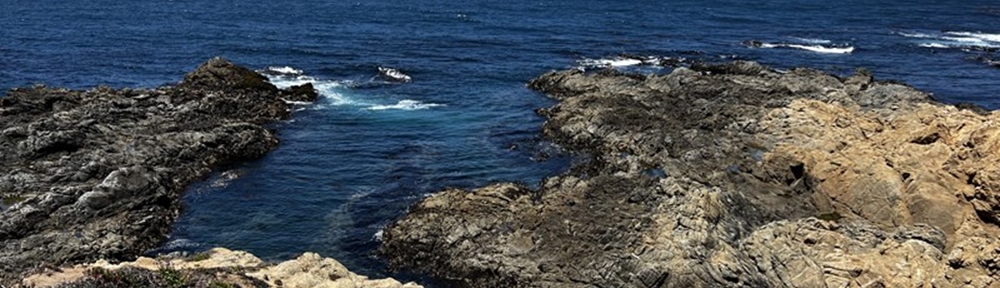
The weather could not have been more beautiful. Much of the route followed the coastline, offering spectacular views of the Bay of Biscay. The trail alternated between sandy beaches, rocky shoreline, and paths overlooking the water. After several days of walking through cities, villages, farmland, and forests, it seemed fitting that our final day would be spent alongside the sea.

At one point, many of us couldn’t resist the temptation to take off our hiking shoes and walk barefoot along the beach. The cool water felt wonderful on our tired feet, and for a few moments we forgot about sore muscles, blisters, and the miles we had already covered. We simply enjoyed the sunshine, the sound of the waves, and the realization that we had nearly completed our journey.
As we walked, I found myself reflecting on the week. Just a few days earlier, we had started in Bilbao as a group of friends and acquaintances eager for an adventure. Since then, we had shared long days on the trail, steep climbs, aching feet, unexpected challenges, and countless conversations. The Camino has a way of stripping life down to its essentials—walk, eat, rest, and repeat. In that simplicity, friendships deepen and small pleasures become more meaningful.
We arrived in Santander fairly early in the afternoon. Reaching the city felt both satisfying and a little anticlimactic. After days of focusing on the next mile, the next hill, and the next destination, we had suddenly reached our goal.

Our hotel was another excellent one, providing a comfortable place to celebrate the completion of our walk. After checking in and cleaning up, we spent the afternoon exploring Santander. The city is elegant and lively, with beautiful waterfront views, parks, shops, and cafés. Several of us visited a museum, while others wandered through the city or simply relaxed after six days of walking.

As often happens at the end of a trip, our group gradually began to scatter. Everyone had different travel plans, departure times, and destinations. Some were heading directly home, while others planned to continue traveling through Spain. After spending nearly every day together for a week, it felt strange to say goodbye and go our separate ways.
Esther and I planned to return to Bilbao the following day. We caught a bus in the afternoon and spent one more night at Cristina’s family home before continuing on to Valencia. It was a fitting way to end this portion of our Spanish adventure, returning to the city where our Camino journey had begun.
Looking back, the Camino del Norte was far more than a long walk along Spain’s northern coast. It was a chance to slow down, disconnect from everyday routines, and experience a different rhythm of life. There were challenging days, sore feet, blistered toes, and moments when the miles seemed endless. But there were also stunning landscapes, wonderful food, new friendships, and a deep sense of accomplishment.

By the end of the week, we had walked nearly 100 miles together. More importantly, we had collected memories that will stay with us far longer than the physical aches and pains. The Camino taught us patience, perseverance, and the value of simply putting one foot in front of the other. And like so many pilgrims before us, we left already wondering when we might return.


